
How to stop reading off your slides
How to stop reading off your slides: split the deck from your notes, rebuild sentence slides as headlines, and set up presenter view so you never face the wall.
Public speaking, interview, sales, and conversation confidence guides built for real out-loud practice.
How to stop reading off your slides: split the deck from your notes, rebuild sentence slides as headlines, and set up presenter view so you never face the wall.

How to speak on a panel: the airtime math that decides how many answers you get, a four-beat answer shape, how to get in when the moderator forgets you, and what to do while you're not talking.

How to write a speech that sounds right out loud: word budgets by length, a three-part outline, the read-aloud draft method, and the rewrite pass for the ear.

How to explain complex ideas simply when you're speaking, not writing: a four-move structure you can run live, a jargon triage, and the failure modes nobody warns you about.

Body language for public speaking, ranked by what an audience actually notices — posture, gestures, movement, face — plus the myths to ignore and a way to fix it.
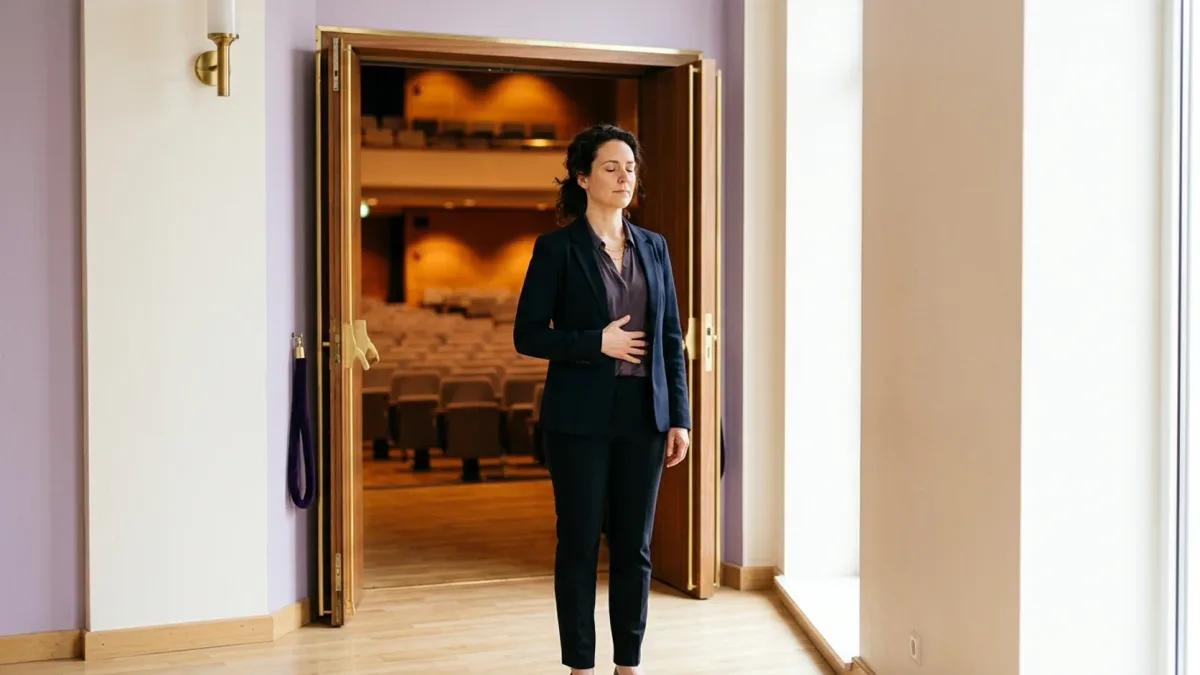
Breathing exercises for public speaking, matched to the problem you actually have — a shaky voice, running out of air, or a racing pace — and when to use each.

How to use pauses when speaking: how long each kind should be, where in the sentence to put it, why silence feels longer than it is, and drills to practise.

Speeko alternatives compared on verified 2026 pricing — sorted by which part of Speeko you were actually using, from the daily habit to the live events.

VirtualSpeech alternatives compared on verified 2026 prices, VR hardware, and what each one actually replaces — because you're probably paying for three products and using one.

Orai alternatives compared on price, platform and what each one actually replaces — plus the billing detail that makes most 'Orai is expensive' complaints wrong.

How to stop mumbling: work out which of the four causes is yours — speed, mouth movement, breath, or nerves — then run the drill that matches. With a two-week plan.

Storytelling in public speaking, built from ordinary work material: a five-part story spine, a worked before-and-after example, length budgets, and delivery.

A recovery ladder for the moment your mind goes blank while speaking — what to say, why it happens, and how to build a talk that survives it.

Vocal warm ups for public speaking, tiered by the time and privacy you actually have — including a silent routine for open-plan offices and video calls.

Stop using filler words by counting them before you fight them. A measurable three-week method that targets the transitions where um and uh actually happen.

Yoodli alternatives compared for individuals, not sales teams — on price, platform, free tier and what each one actually replaces. Plus when to just keep Yoodli.

What actually changes when the room gets big: pace, pauses, gestures, eye contact and mic technique — and the rehearsal that prepares you for scale.

How to stop talking too fast: measure your real speaking rate, work out which of the four causes is yours, and use the fix that matches it.

Toastmasters alternatives compared on cost, time, and feedback — apps, coaching, courses, Meetups, and a self-built rehearsal routine. Plus what none of them replace.

How to end a presentation with a close that lands: the exact words to say, which closing move fits the room, what belongs on your last slide, and how to deliver the final 30 seconds.

How to start a presentation in the first 30 seconds: 18 presentation openers by situation, what belongs on the opening slide, and how to deliver it when nerves peak.
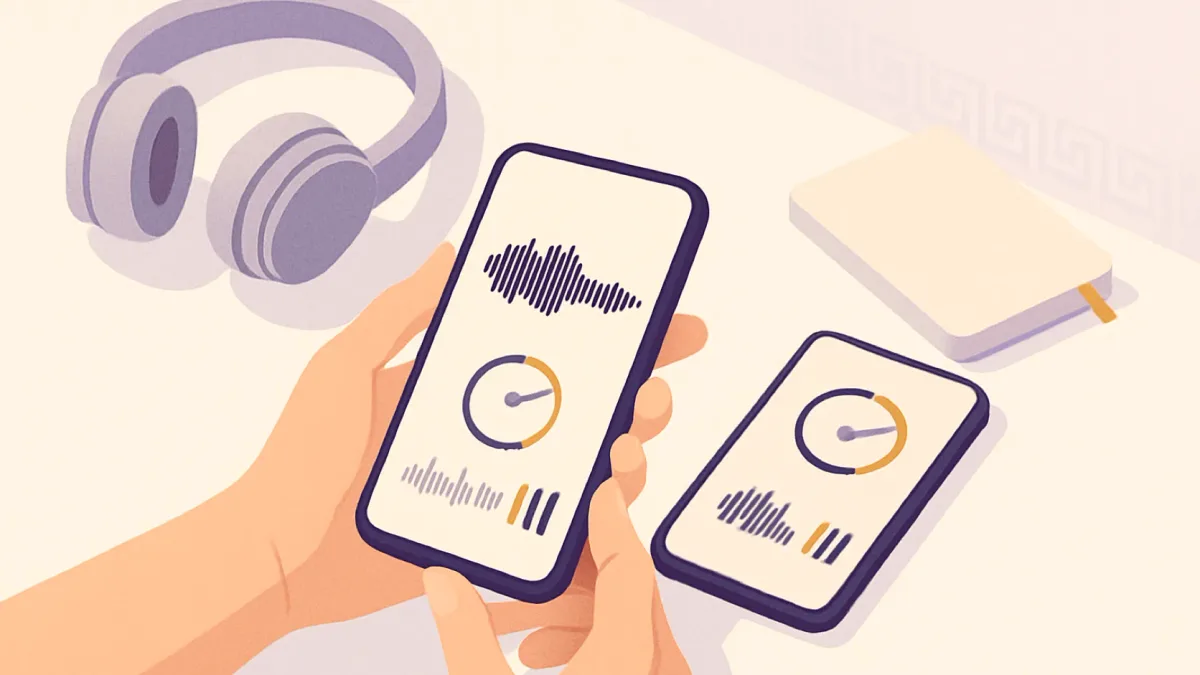
Speeko vs Orai compared on what each app measures, price, platforms, and session length — plus the practice problem neither one solves.

How to project your voice in meetings and on calls: diagnose why you are quiet, then fix it with breath support, posture, and articulation — not volume.

How to memorize a speech in three layers — spine, beats, and seams — plus a week-long rehearsal schedule and what to say when you blank mid-sentence.

What to do with your hands when public speaking: a default resting position, the gesture box, three gesture types that build credibility, and what changes at a lectern or on camera.

How to sound confident on a phone interview: stand up, smile before you speak, cut your pace on purpose, and use the one prop only a phone call allows.

How to answer why are you interested in this position with a specific, researched answer: a fill-in-the-blank template and real examples.

How to answer where do you see yourself in five years with a believable, role-matched answer, plus example answers by career stage.

How to answer what is your greatest strength with a specific example and a real number, not a generic label — plus four sample answers by role.

How to answer why should we hire you with a tight, employer-focused pitch instead of a resume recap — a simple formula, four example answers, and what to avoid.

How to give a virtual presentation when half your audience is invisible: a tech-check ritual, an opening that works on camera, and a recovery plan.

What an AI speech coach is, how its feedback pipeline works, how accurate it really is, how to choose one, and the weekly loop that makes it work.

How to handle questions after a presentation: rehearse likely questions, repeat before you answer, and scripted moves for the hard ones.

How to answer what is your greatest weakness with a real answer that helps instead of hurts you — a simple formula, four example answers, and what to avoid.

How to calm presentation nerves with a research-backed breathing technique, a 10-minute pre-talk routine, and a fix for a shaky voice.

How to make eye contact when public speaking: the lighthouse technique, how wide your gaze actually reads at distance, what to do if it makes you anxious, and how to keep it while glancing at notes.

Stop your voice from shaking when speaking with a 3-step physical reset — plus how to tell nerve-driven shake from a voice disorder that needs treatment.

How to stop sounding monotone: what a flat voice actually is, what causes it, named drills that build pitch range, and when it is worth seeing a clinician.

How to calm interview nerves with a breathing technique backed by research, a 10-minute pre-interview routine, and how to recover if you blank mid-answer.

How to speak up in meetings when you're nervous: why we hold back, a lead-in phrase that works, and a two-minute routine to build the habit.

Run mock interview practice alone, with a partner, or with AI: how to simulate real pressure, get feedback, and rehearse until answers land.

How to be confident on video calls: where to look, what to do about self-view, and how to speak up on Zoom or Teams without freezing.

How to stop rambling when you talk: a point-first structure for organizing a clear answer in the 2-3 seconds before you speak.

Confidence-building exercises for public speaking, in two tiers: a five-minute routine for right before you speak, and solo drills that build confidence over weeks.

How to practice public speaking the right way: out loud, on video, in realistic scenarios, with a simple weekly routine you can repeat until delivery improves.

How to give a presentation that lands: build a clear spine, size it to the clock, rehearse out loud on a real timeline, and hold the room on the day.

How to network at events without faking it: the pre-event prep, the opener-rotation-exit loop, and the follow-up that actually compounds.

How to make small talk without it feeling like a chore: the four-beat structure behind comfortable conversation, the openers that work, and how to practise.

Use the STAR method to answer behavioral interview questions: build a story bank, structure each answer in 90 seconds, and rehearse out loud.

How to be more articulate in everyday conversation: the four habits behind clear speech and the drills that fix mumbling and filler words.

How to give an elevator pitch that lands: the five-part structure, common mistakes, real examples, and how to rehearse it in 30 seconds.
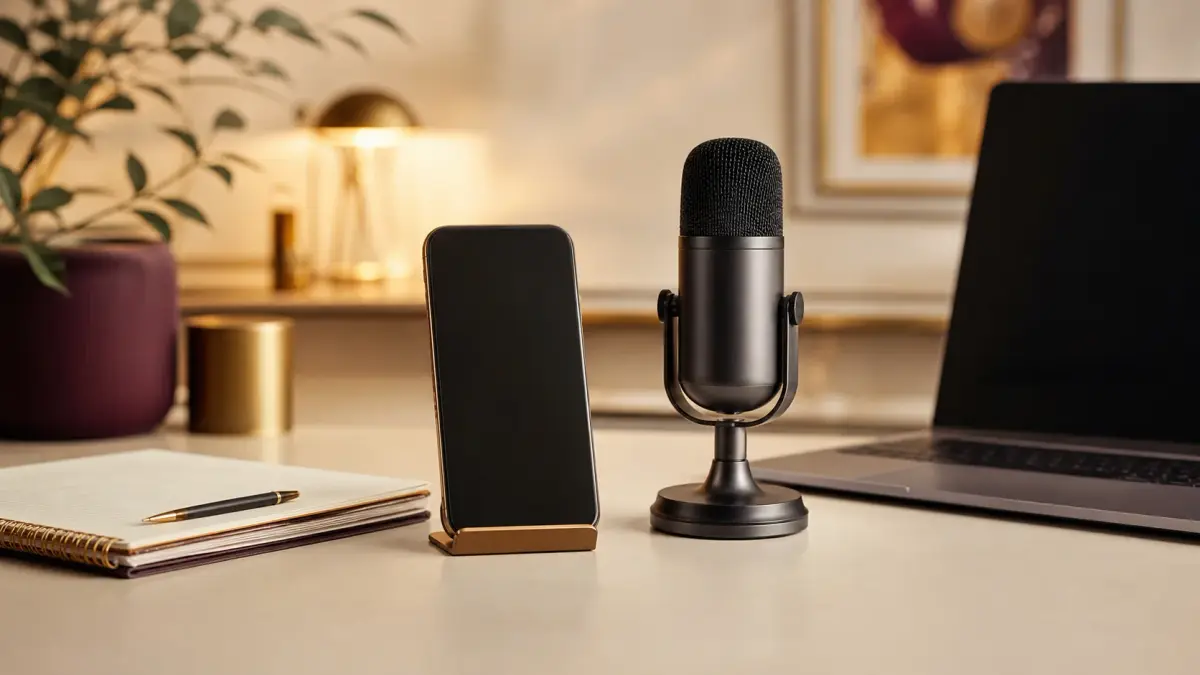
The 5 best public speaking apps in 2026: Orator, Yoodli, Orai, Speeko, and VirtualSpeech, scored on out-loud practice, feedback, and realistic scenarios.

How to improve speaking skills: work out whether your blocker is delivery or fluency, then run the drills for that half. Plans for work, interviews, and a second language.

Prepare for an interview with a practical plan: research the role, build story answers, rehearse out loud, and calm nerves before the real conversation.

Answer "tell me about yourself" in 60-90 seconds with Present-Past-Future examples, a repeatable formula, and out-loud rehearsal tips.

Handle sales objections without getting defensive. A four-step method — pause, question, answer the real concern, confirm — plus how to rehearse it out loud.
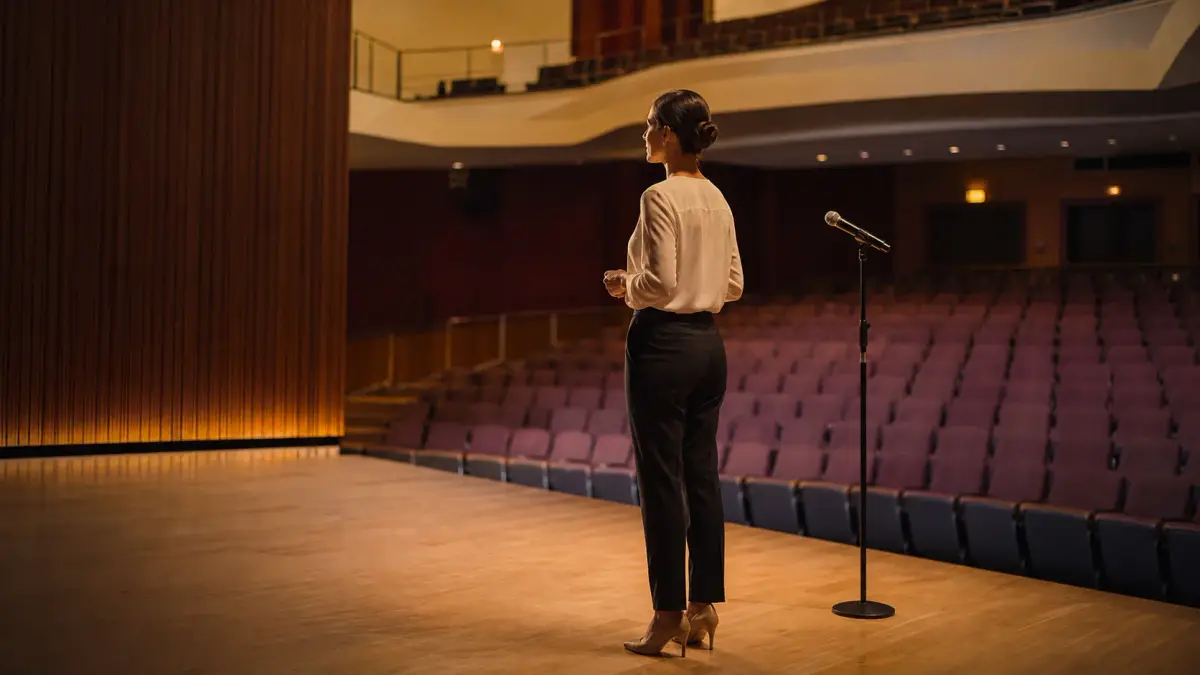
Overcome fear of public speaking with graded exposure, not willpower. A step-by-step loop you can rehearse before the moment that matters.

Speak with confidence by practicing concrete habits: pace, pauses, stronger endings, and out-loud rehearsal that builds calm — in meetings and in front of a room.

Improve public speaking by rehearsing out loud, recording yourself, and fixing one thing per run. A concrete practice loop, not another list of tips.